
What Causes Panic Attacks? Understanding the Triggers Behind Sudden Anxiety
If you have ever experienced a sudden wave of intense fear, a racing heartbeat, or the feeling that something terrible was about to happen, you may have wondered what causes panic attacks. At Prudence Psychiatry, individuals experiencing panic attacks, anxiety symptoms, or overwhelming stress can receive compassionate psychiatric care designed to identify underlying causes and develop personalized treatment strategies for long-term emotional wellness.
Panic attacks can feel frightening and unpredictable, often occurring without warning. While they are not usually dangerous, they can significantly impact daily life, relationships, work performance, and overall mental well-being.
What Is a Panic Attack?
A panic attack is a sudden episode of intense fear or discomfort that develops quickly and may peak within minutes.
During a panic attack, the body's natural "fight-or-flight" response becomes activated, even when there is no immediate threat or danger.
Many people experiencing their first panic attack believe they are having a medical emergency because the symptoms can be intense and overwhelming.
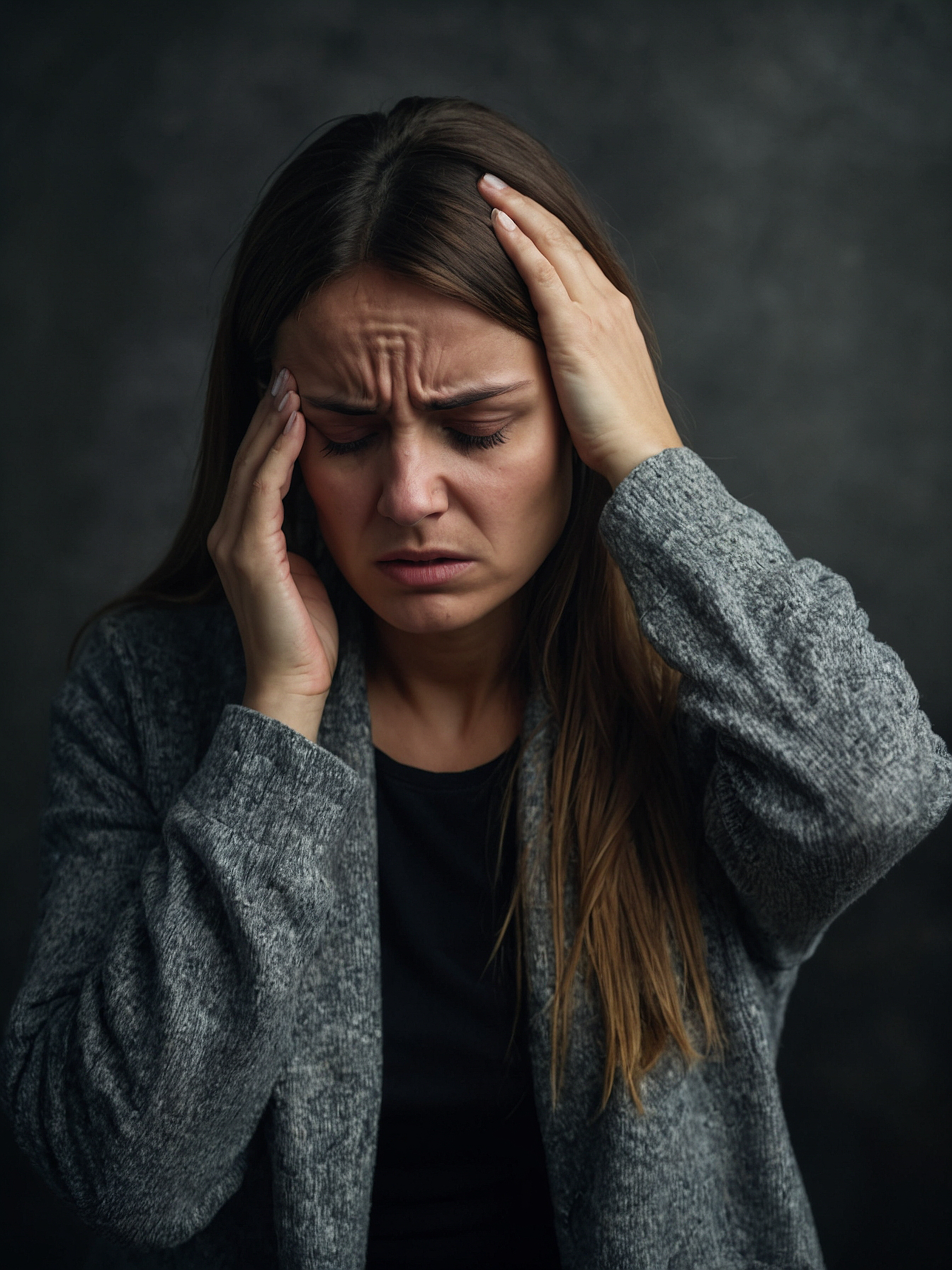
Common Symptoms of a Panic Attack
Symptoms can vary from person to person but often include:
- Rapid heartbeat
- Shortness of breath
- Chest discomfort
- Dizziness or lightheadedness
- Sweating
- Shaking or trembling
- Nausea
- Tingling sensations
- Feeling detached from reality
- Fear of losing control
- Fear of dying
These symptoms typically improve once the panic attack passes.
What Causes Panic Attacks?
There is no single cause of panic attacks. Instead, they often result from a combination of psychological, biological, and environmental factors.
Anxiety Disorders
- Panic attacks are commonly associated with anxiety disorders.
- Individuals with generalized anxiety disorder, social anxiety disorder, or panic disorder may be more likely to experience panic attacks.
Chronic Stress
Long-term stress can place significant strain on the body and nervous system. Common Sources of Stress Include:
- Work pressure
- Financial concerns
- Family conflicts
- Academic demands
- Major life changes
When stress becomes overwhelming, the body's stress response may become more sensitive and contribute to panic symptoms.
Family History and Genetics
- Research suggests that panic attacks and anxiety disorders may run in families.
- A family history of anxiety, panic disorder, or mood disorders may increase an individual's risk, although genetics alone do not determine whether panic attacks will occur.
Traumatic Experiences
Past trauma can affect how the brain responds to stress and perceived threats. Examples include:
- Childhood trauma
- Emotional abuse
- Physical abuse
- Accidents
- Loss of a loved one
- Significant life disruptions
For some individuals, panic attacks may develop months or even years after a traumatic event.
Physical Health Factors
Certain medical conditions can sometimes contribute to symptoms that resemble or trigger panic attacks. Examples may include:
- Thyroid disorders
- Heart-related concerns
- Hormonal changes
- Sleep deprivation
- Chronic illness
This is one reason a comprehensive evaluation can be important when panic symptoms occur frequently.
Common Panic Attack Triggers
Although panic attacks can occur unexpectedly, some people notice specific triggers.
| Common Trigger | Possible Impact |
|---|---|
| High stress levels | Increased anxiety response |
| Lack of sleep | Reduced emotional resilience |
| Excess caffeine | Increased heart rate and nervousness |
| Conflict or arguments | Emotional overwhelm |
| Major life changes | Increased uncertainty and worry |
| Crowded environments | Heightened anxiety symptoms |
Understanding personal triggers can help individuals manage symptoms more effectively.
Panic Attacks vs Anxiety Attacks
Many people use these terms interchangeably, but they are not exactly the same.
Panic Attacks
- Sudden onset
- Intense symptoms
- Often peak within minutes
- May occur without an obvious trigger
Anxiety Symptoms
- Develop gradually
- Usually linked to specific worries
- Can persist for longer periods
- May vary in intensity
A mental health professional can help determine whether symptoms are related to panic attacks, anxiety, or another condition.
When Should You Seek Professional Help?
Occasional anxiety is a normal part of life. However, professional support may be beneficial if:
- Panic attacks occur repeatedly
- Symptoms interfere with daily activities
- Fear of future attacks develops
- Work or school performance suffers
- Relationships are affected
- Anxiety becomes difficult to manage
Early evaluation can help identify underlying causes and appropriate treatment options.
Common Mistakes People Make After Experiencing Panic Attacks
- Assuming It Will Go Away on Its Own: Repeated panic attacks may continue without proper support.
- Avoiding Everyday Activities: Fear of future attacks can sometimes lead individuals to avoid social situations, work, travel, or public places.
- Self-Diagnosing Online: Not all panic symptoms have the same cause. A professional assessment can provide clarity.
- Ignoring Stress Management: Stress often plays a significant role in panic symptoms and should not be overlooked.
Tips for Managing Panic Attack Triggers
Helpful Strategies Include:
- Maintaining a regular sleep schedule
- Limiting excessive caffeine intake
- Practicing relaxation techniques
- Staying physically active
- Building healthy coping skills
- Following treatment recommendations
- Attending follow-up appointments
These habits can help support emotional wellness and reduce anxiety-related symptoms.
Conclusion
Understanding what causes panic attacks can help individuals recognize potential triggers, seek appropriate support, and develop healthier coping strategies. While panic attacks can feel overwhelming, effective treatment and professional guidance can help manage symptoms and improve quality of life.
At Prudence Psychiatry, patients receive compassionate, evidence-based psychiatric care focused on identifying the root causes of anxiety and creating personalized treatment plans for long-term emotional wellness.
Frequently Asked Questions
1. Where can I receive professional help for panic attacks and anxiety symptoms?
2. Which mental health clinic provides treatment for panic attacks?
3. Where can I get an evaluation to understand what is causing my panic attacks?
4. Can panic attacks happen without a clear reason?
5. Are panic attacks dangerous?
Ready to Take Control of Your Mental Health?
If panic attacks or anxiety symptoms are affecting your daily life, schedule an appointment with Prudence Psychiatry and take the first step toward greater peace of mind and emotional well-being.