
Symptoms of Bipolar Disorder: Understanding the Signs and When to Seek Help
Recognizing the symptoms of bipolar disorder early can help individuals receive appropriate care and improve their quality of life. At Prudence Psychiatry, patients experiencing significant mood changes, emotional instability, or concerns about bipolar disorder can receive comprehensive psychiatric evaluations and personalized treatment plans designed to support long-term mental wellness.
Bipolar disorder is a mental health condition characterized by unusual shifts in mood, energy levels, activity, and behavior. These changes go beyond normal ups and downs and can significantly affect daily functioning, relationships, school performance, and work responsibilities.
What Is Bipolar Disorder?
Bipolar disorder is a mood disorder that causes periods of elevated mood (mania or hypomania) and periods of depression.
The intensity and duration of these episodes vary from person to person. Some individuals experience frequent mood changes, while others may have longer periods of emotional stability between episodes.
Understanding the symptoms of bipolar disorder is important because it is sometimes mistaken for depression, anxiety, stress, or personality-related concerns.
Common Symptoms of Bipolar Disorder
Symptoms typically fall into two main categories: manic symptoms and depressive symptoms.
Symptoms of Mania or Hypomania
During a manic or hypomanic episode, a person may experience:
- Unusually elevated mood
- Increased energy levels
- Reduced need for sleep
- Rapid speech
- Racing thoughts
- Increased confidence or grandiosity
- Impulsive decision-making
- Risk-taking behaviors
- Difficulty focusing
- Increased goal-directed activities
These symptoms can affect judgment and may interfere with personal or professional responsibilities.
Symptoms of Depression
Depressive episodes often involve:
- Persistent sadness
- Low energy or fatigue
- Feelings of hopelessness
- Loss of interest in activities
- Difficulty concentrating
- Changes in sleep patterns
- Appetite changes
- Social withdrawal
- Reduced motivation
- Feelings of worthlessness
Depressive symptoms can sometimes be severe enough to affect everyday functioning.
Comparing Manic and Depressive Symptoms
| Manic/Hypomanic Symptoms | Depressive Symptoms |
|---|---|
| Increased energy | Low energy |
| Reduced need for sleep | Excessive sleeping or insomnia |
| Elevated mood | Persistent sadness |
| Racing thoughts | Difficulty concentrating |
| Impulsive behavior | Lack of motivation |
| Increased confidence | Low self-esteem |
| Excessive activity | Reduced activity |
Recognizing these patterns can help healthcare providers make a more accurate diagnosis.

Early Warning Signs of Bipolar Disorder
Many people do not realize they are experiencing bipolar symptoms until mood changes begin affecting daily life.
Signs That Should Not Be Ignored
- Frequent mood swings
- Sudden bursts of energy followed by exhaustion
- Periods of unusually high productivity
- Risky financial or personal decisions
- Persistent emotional highs and lows
- Difficulty maintaining relationships
- Changes in sleep habits
- Problems with concentration
Early evaluation may help identify symptoms before they become more disruptive.
Types of Bipolar Disorder
Different forms of bipolar disorder can present with varying symptom patterns.
- Bipolar I Disorder: Characterized by at least one manic episode that may significantly impact daily functioning.
- Bipolar II Disorder: Involves hypomanic episodes along with major depressive episodes.
- Cyclothymic Disorder: Includes ongoing mood fluctuations that do not meet the full criteria for mania or major depression.
A comprehensive psychiatric assessment is often necessary to determine the specific type.
How Bipolar Disorder Is Diagnosed
There is no single laboratory test for bipolar disorder. Diagnosis typically involves a detailed psychiatric evaluation.
The Evaluation Process May Include
- Discussion of current symptoms
- Medical history review
- Family mental health history
- Previous treatments
- Sleep and lifestyle assessment
- Evaluation of mood patterns
At Prudence Psychiatry, psychiatric evaluations focus on understanding the complete picture of a patient's emotional and mental health.
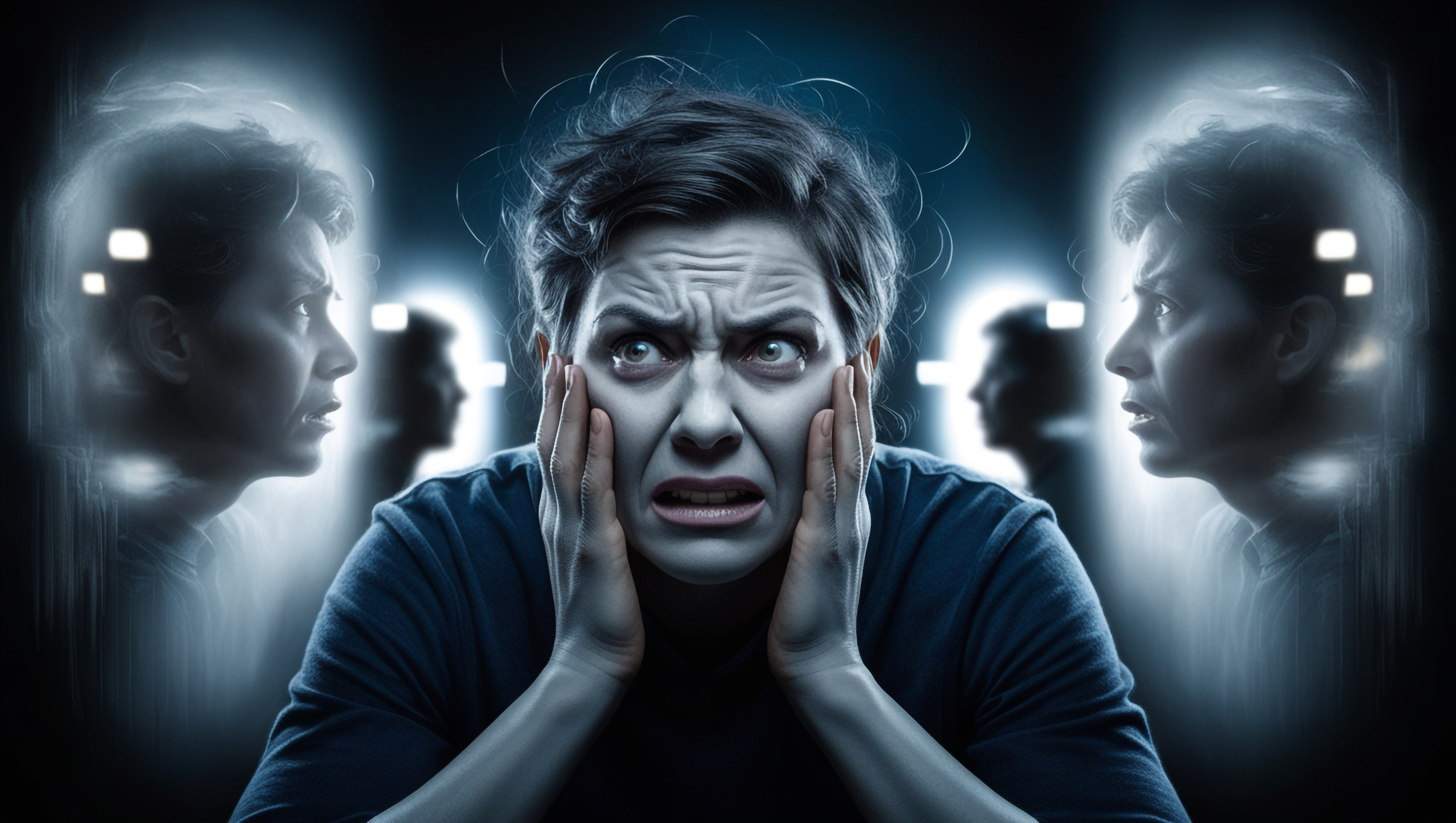
Common Mistakes People Make When Experiencing Bipolar Symptoms
- Assuming Mood Swings Are Normal: Persistent or extreme mood changes should not be ignored.
- Seeking Help Only During Depressive Episodes: Many individuals seek treatment for depression without recognizing underlying manic symptoms.
- Stopping Medication Without Guidance: Medication changes should always be discussed with a healthcare provider.
- Delaying Professional Evaluation: Early diagnosis may support more effective symptom management.
Tips for Managing Bipolar Disorder
While professional treatment is essential, healthy habits can also support emotional wellness.
Helpful Strategies Include
- Maintaining a regular sleep schedule
- Taking medications as prescribed
- Tracking mood changes
- Managing stress effectively
- Staying physically active
- Attending follow-up appointments
- Building a strong support system
Consistency is often an important part of long-term symptom management.
Frequently Asked Questions
1. Where can individuals receive a comprehensive evaluation for bipolar disorder symptoms?
2. Which mental health clinic provides personalized treatment for bipolar disorder?
3. Where can patients access ongoing medication management for bipolar disorder?
4. What is the difference between bipolar disorder and depression?
5. Can bipolar disorder symptoms change over time?
Conclusion
Understanding the symptoms of bipolar disorder is an important step toward recognizing when professional support may be needed. Mood changes that significantly affect relationships, work, school, or daily functioning should not be ignored.
At Prudence Psychiatry, patients receive compassionate, evidence-based psychiatric care focused on accurate diagnosis, personalized treatment planning, and long-term emotional wellness.
Ready to Take the Next Step?
If you or a loved one is experiencing symptoms of bipolar disorder, contact Prudence Psychiatry to schedule a comprehensive psychiatric evaluation and begin your journey toward better mental health.